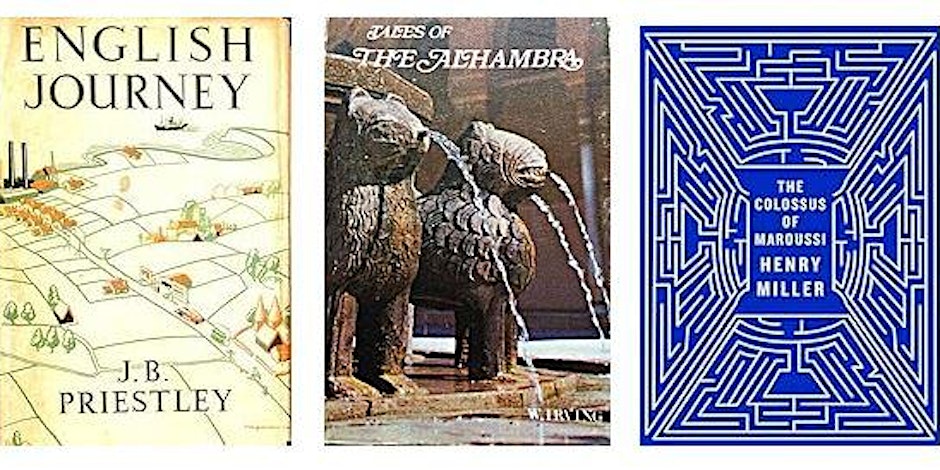
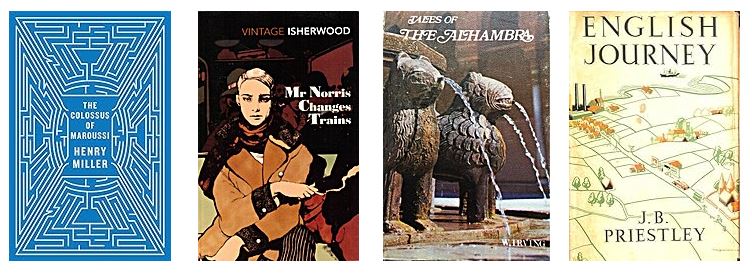
As Laurie Lee wrote of his travels before the second world war, Europe was “wide open, a place of casual frontiers, few questions and almost no travellers”. In this fortnightly course, we’ll look at a selection of classic travel tales from this older, quieter Europe.
In Tales of the Alhambra the American author and Romantic Washington Irving takes us to the Alhambra of southern Spain. In England we follow the sometimes scathing and always humorous J. B. Priestley as he travels around the country in 1933. We will finish with a visit to Greece, and read The Colossus of Maroussi, an impressionist travelogue by American writer Henry Miller first published in 1941
We will think about what motivated such writers to leave the security of home and set forth on voyages of discovery and adventure. Is the Europe these travellers and novelists portrayed different to the Europe we might encounter on a holiday today? What has changed and has it all been for the better?
11 March – Introductory Lecture on the genre of travel writing
25 March – – England in English Journey by J. B. Priestley
8 April – Southern Spain in Tales of the Alhambra by Washington Irving
22 April – – Greece in The Colossus of Maroussi by Henry Miller
The course is presented by a City of Wanneroo Libraries and the University of The Third Age (U3A).
This year I have done more walking around cities and countries that were new to me, than I have laying on a sofa with a book in my hand. For me 2023 has been more about acting in the physical world, than cogitating among the shelves – I have been the protagonist in the street, more than the scribbler in the scriptorium. But still, I don’t like life entirely without literary sustenance, so here are the best books I have read this year.
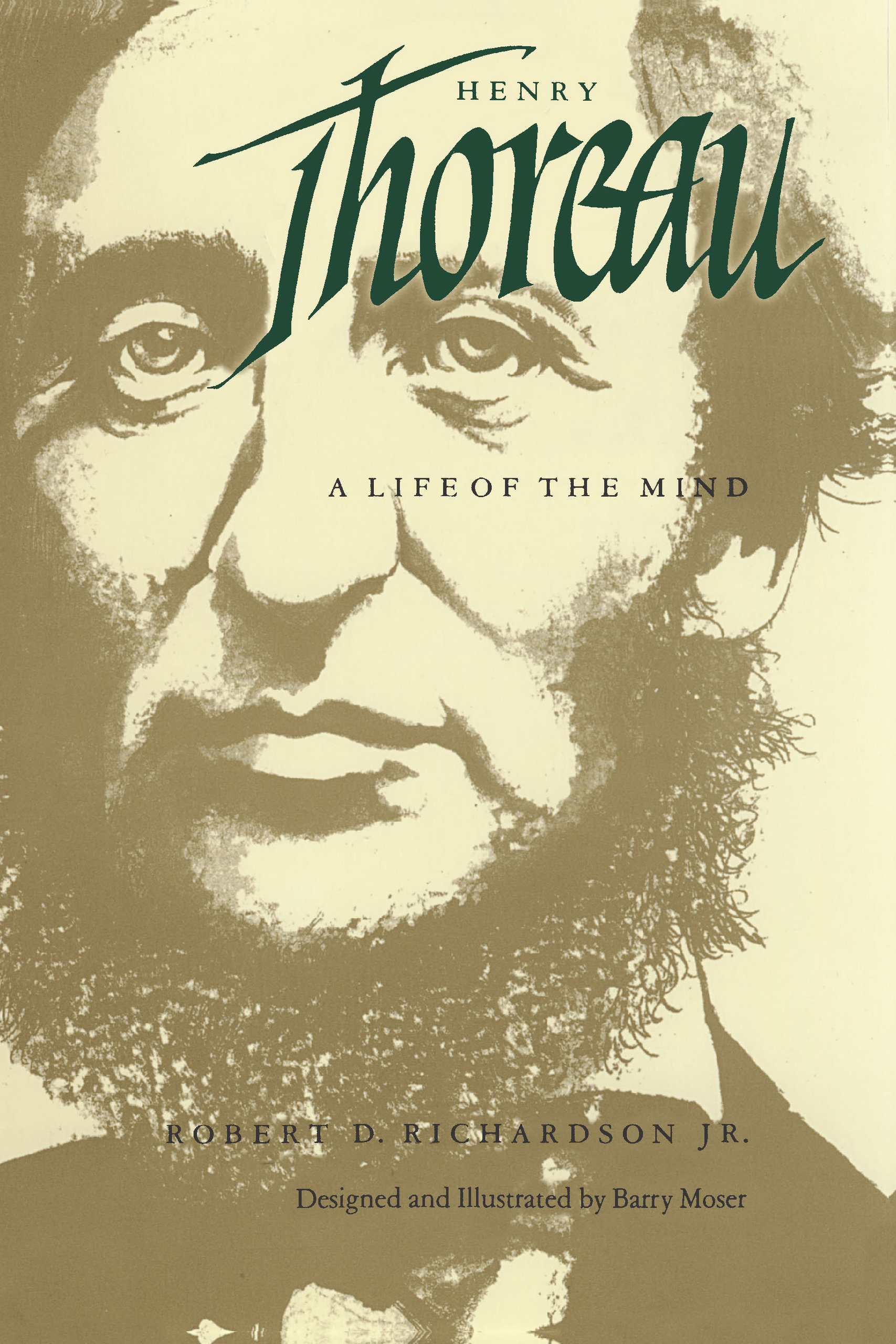
Henry Thoreau: A Life of the Mind, by Robert D. Richardson Jr. (University of California Press, 1988)
This isn’t as great a biography as Richardson’s work on Emerson, but it is still a very important book. Reading it one is treated to notes from Thoreau’s journals threaded together with observations on the published works and live as he lived it. When one understand how much pain, grief and adversity this seer and prophet experienced, the optimism in his vision of the universe is so much more worthy of wonder.
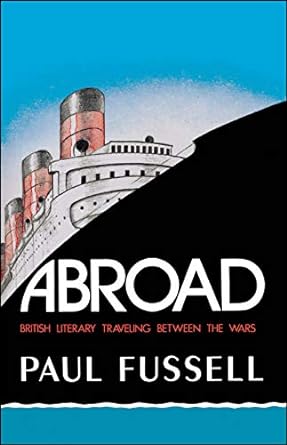
Abroad: British Literary Traveling Between the Wars, by Paul Fussell (Oxford University Press, 1982)
I had almost forgotten that back in 1980 people still wrote books like this – flamboyant prose style and page long slabs of personal opinion in between actual literary criticism. The book is quite entertaining though, and at its best makes the interesting point that ‘going South’ to the beaches and parasols of the Med, to shed clothes and have affairs and worship the sun, was for the British between the wars a kind of pastoral idyll, replacing the pastoral idylls of bleating flocks on English sward and babbling brooks beneath venerable elms (from an earlier time when the British didn’t travel as much). Unlike much literary criticism these days Paul Fussell is actually grateful and appreciative of good quality travel writing, and literature in general, and expresses his enthusiasms in this book (he also complains about modern tourism in an understandable but somewhat ploddingly predictable manner). The book is worth reading as an entertaining survey of some of the best travel writing ever written.
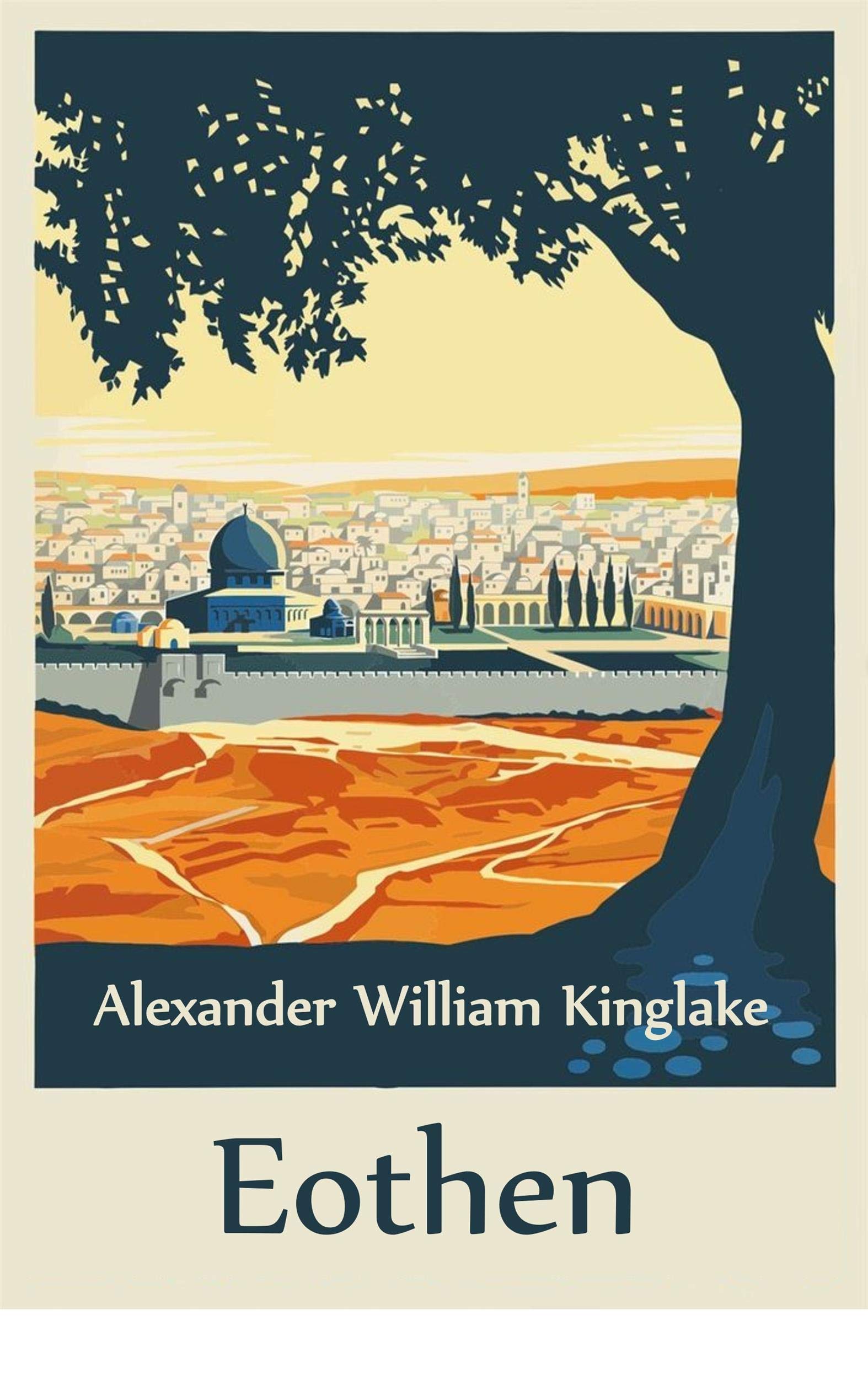
Travel and Topography. Eothen by Alexander William Kinglake (London: J. Ollivier, 1844)
What a wonderful work of travel. In 1834 the author travels through Constantinople, Smyrna, and into Jerusalem, Cairo and Damascus, and ends up, without really planning to, writing one of the greatest travel books of all time. He is feisty and opinionated, courageous and whimsical, by turns.
Here Kinglake approaches the land of the Bedu as he looks over the banks of the River Jordan to the east. I will let this quotation stand as emblematic for the book:
If a man, and an Englishman, be not born of his mother with a natural Chiffney-bit in his mouth, there comes to him a time for loathing the wearisome ways of society; a time for not liking tamed people; a time for not dancing quadrilles, not sitting in pews; a time for pretending that Milton and Shelley, and all sorts of mere dead people, were greater in death than the first living Lord of the Treasury; a time, in short, for scoffing and railing, for speaking lightly of the very opera, and all our most cherished institutions. It is from nineteen to two or three and twenty perhaps that this war of the man against men p. 129is like to be waged most sullenly. You are yet in this smiling England, but you find yourself wending away to the dark sides of her mountains, climbing the dizzy crags, exulting in the fellowship of mists and clouds, and watching the storms how they gather, or proving the mettle of your mare upon the broad and dreary downs, because that you feel congenially with the yet unparcelled earth. A little while you are free and unlabelled, like the ground that you compass; but civilisation is coming and coming; you and your much-loved waste lands will be surely enclosed, and sooner or later brought down to a state of mere usefulness; the ground will be curiously sliced into acres and roods and perches, and you, for all you sit so smartly in your saddle, you will be caught, you will be taken up from travel as a colt from grass, to be trained and tried, and matched and run. All this in time, but first come Continental tours and the moody longing for Eastern travel. The downs and the moors of England can hold you no longer; with large strides you burst away from these slips and patches of free land; you thread your path through the crowds of Europe, and at last, on the banks of Jordan, you joyfully know that you are upon the very frontier of all accustomed respectabilities. There, on the other side of the river (you can swim it with one arm), there reigns the people that will be like to put you to death for not being a vagrant, for not being a robber, for not being armed and houseless. There is comfort in that—health, comfort, and strength to one who is dying from very weariness of that poor, dear, middle-aged, deserving, accomplished, pedantic, and painstaking governess, Europe.
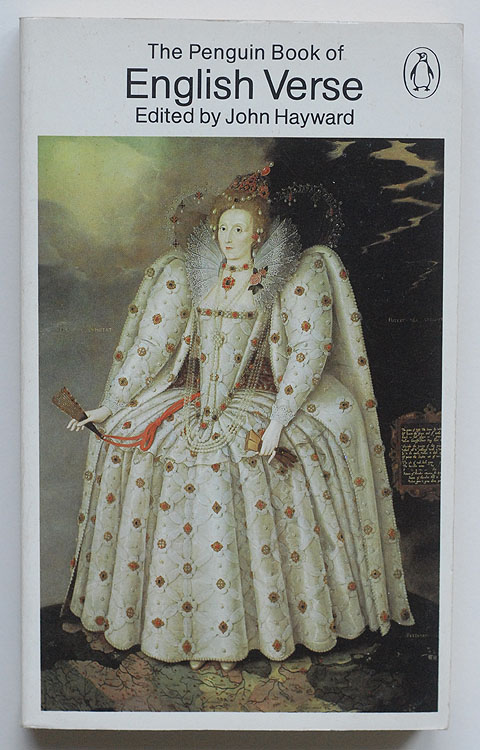
The Penguin Book of English Verse, Edited by John Hayward (Penguin, 1956)
How refreshing to read an anthology of great poetry that stands squarely on literary merit (rather than mainly socio-political representation criteria quietly smuggled in the back door by far left cultural re-education crusaders). Literature!
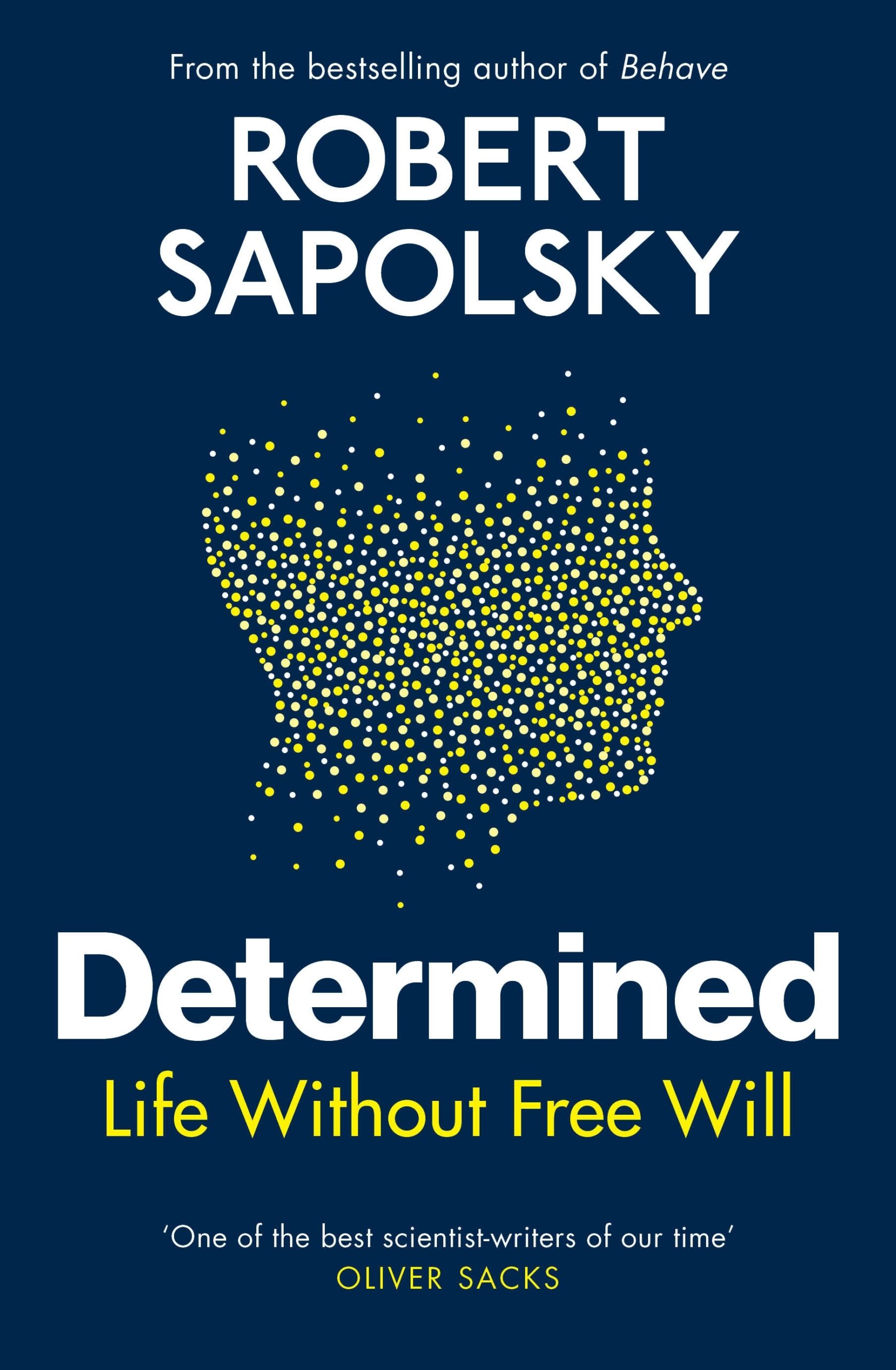
Determined: Life Without Free Willby Robert Sapolsky (Penguin, 2023).
By now Sapolsky is rightly regarded as one of the greatest communicators in modern science. Crucially he doesn’t think that intelligent and complex prose need be obfuscatory or boring, and his wit lightens the load here as elsewhere. In this book he outlines the many ways in which who we are, and how we behave and think, is a result of our environment and biology, and after outlining the terrain one finds that it doesn’t leave room to shoe-horn in a magical non-physical thing called ‘free will’.
Even for those of us who know quite a bit about psychology this is a great read, including as it does some very recent research results. Sapolsky finds that his argument against free will leads to a view of seeing criminals as humans who need to be quarantined from the wider population to stop them hurting others, but not vilified as supernaturally ‘evil’ (they are acting in ways we would if we had their genes and brains and backgrounds, etc). This is the best science book of 2023 in my opinion: funny, powerful conclusions, and a hugely wide purvey surveying different domains of knowledge.
So, no free will, however like even the author of this book, I will continue to act and think in ways in which free will is assumed in human life – that’s just how we’re made and its hard to go through life thinking otherwise. On the other hand, when I am at a function and well paid people are sipping white wine and lowly paid waiters are picking up empty glasses, I won’t think that those waiters should just show more ‘grit’ to get ahead and become the ones with the suits and the wine glasses. I won’t think that the well heeled are extra deserving of their high salaries because of their free will and good choices. They were determined to be there, in that besuited position, and should stop gloating.
Tales of the Alhambra by Washington Irving (1832)
This year I spend many days walking up the steep hill on who’s brow sits the Moorish citadel that is the Alhambra, one of Spain and Europe’s great sights. As you puff up the incline you hear a trickling stream and feel a beautifully refreshing cool air descending past you through the chestnut trees. Half way up the straight route you pass a life size bronze statue of a man, surrounded by benches to sit and pause, and framed by dark green leaves. The man stands, pen in one hand and lowered book in the other, and looks to the horizon.
It is Washington Irving, the American ambassador to Spain in the 1840s, and practitioner of belle lettres. He travelled on horse back to Granada amongst its mountain setting in 1828, and saw a very different Alhambra and Spanish society to the one I was seeing in 2023. Thankfully his book Tales of the Alhambra provides a detailed verbal sketch of what he saw, threaded through with myth and embroidered with narratives about the people of the place of the time, their loves and lives.
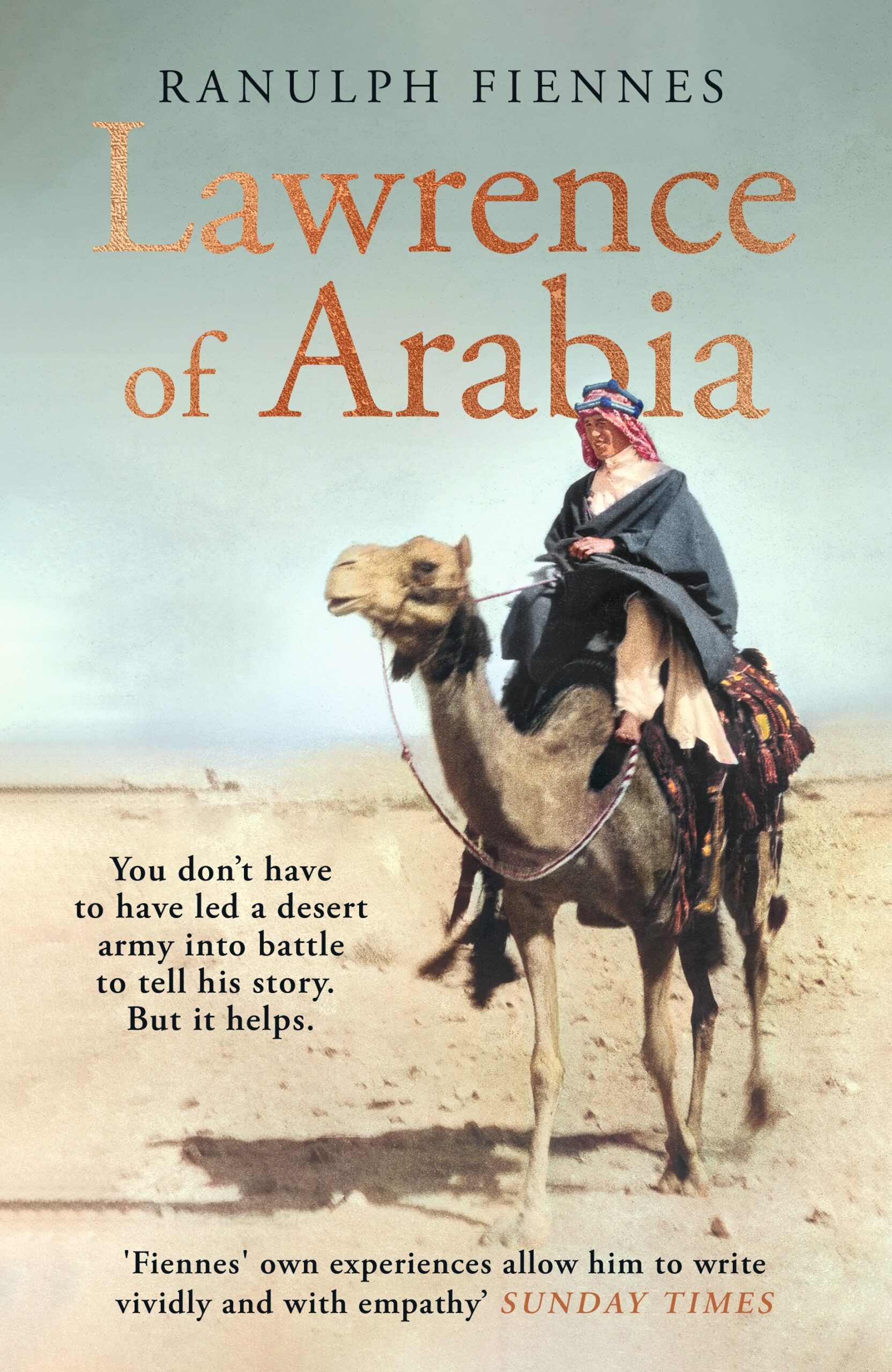
Lawrence of Arabia by Ranulph Fiennes, 2023.
Having sat by Bedu tribesmen under the shade of a twisted desert tree in southern Jordan in 2017 and listened to them recite poems and sing songs as we sipped tea from a smouldering fire, I have had a small taste of the world of the wandering Arab nomad. It is a world of grandeur and grime, majesty in their robes and mountains, and harshness in their lack of material creature comforts normally found in settled societies.
The author of this new biography of Thomas Lawrence has done much more – he had lead Omani tribesmen through arid hills and into battle against invading Soviets in 1967 as a military leader. In writing this biography of Lawrence Fiennes, a celebrated English explorer, occasionally interrupts the narrative of Lawrence’s journey north through Arabia to draw comparisons with his own experiences in the desert. Fiennes is not a superb prose stylist. However his orientation towards action in the world as a man leads him to have written a biography which reads as an exciting narrative, succinct and light footed. It does not try to be an exhaustive biographical work, but rather zooms in on Lawrence’s time gathering Bedu tribes in the desert to the cause of fighting the Ottoman Turks during the first world war. The figure that emerges from this book is truly a special man, a deeply learned and open minded Englishman, who was not content with office-bound normality, and whose life became bound up in one of the great episodes in twentieth century history. Jordan and the traditional people of that region are the other major subject of this book, and for me this gives the work added significance.
As Laurie Lee wrote of his travels before the second world war, Europe was “wide open, a place of casual frontiers, few questions and almost no travellers”. In this fortnightly course, we’ll look at a selection of classic travel tales from this older, quieter Europe.
In Tales of the Alhambra the American author Irving Washington takes us to the Alhambra of southern Spain. Then we shift to England and follow J. B. Priestley as he travels around the country in 1933. In Mr Norris Changes Trains we will look at an expatriate’s experience of life in 1930s Berlin in a classic novel by Anglo-American writer Christopher Isherwood. We will finish with a visit to Greece, and read The Colossus of Maroussi, an impressionist travelogue by American writer Henry Miller first published in 1941.
We will think about what motivated such writers to leave the security of home and set forth on voyages of discovery and adventure. Is the Europe these travellers and novelists portrayed different to the Europe we might encounter on a holiday today? What has changed and has it all been for the better?
In 2023 I completed a journey that encompassed the four locations covered in these books, and I during the course I will offer my own thoughts on travel and writing from the perspective of today’s Europe.
11 March – Introductory Lecture on the genre of travel writing
25 March – Southern Spain in Tales of the Alhambra by Washington Irving
8 April – England in English Journey by J. B. Priestley
22 April – Berlin in Mr Norris Changes Trains by Christopher Isherwood
6 May – Greece in The Colossus of Maroussi by Henry Miller
Fortnightly Mondays at Wanneroo Library, 10.30am-12pm
Booking details to register for this course will be released in early 2024.